Pallet Flow Rack Systems in Kansas City
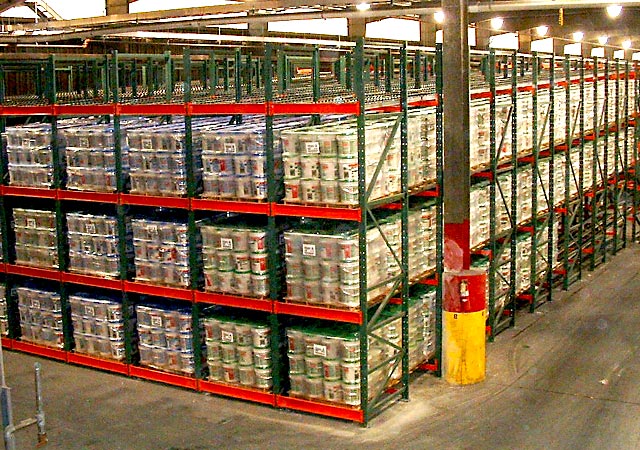
Kansas City warehouses near the I-35, I-70, and I-435 freight corridors need storage that matches the way orders leave the building. Pallet flow rack solves a problem no other system does cleanly: proving first in, first out instead of hoping the crew rotates stock correctly. Pallets load at the high end of a lane and travel down gravity rollers or wheel tracks, braked to a controlled pace, so the oldest pallet is always the one presented at the pick face. Before adding another row, compare what remains accessible, how inventory rotates, and where incoming freight waits. A free warehouse needs analysis starts with your floor plan and storage profile so the next investment solves the handling problem rather than just filling another corner with steel.
Choose it when dates, lots, or shelf life aren't negotiable, or when a handful of high-turn SKUs eat a disproportionate share of your building. Lanes commonly run five to twenty pallets deep, so a few pick faces represent a large amount of stored product - which is also why it costs more per position than selective or pushback and needs two aisles instead of one.
We lay out flow lanes around your throughput, pallet condition, and ceiling height, then price it position by position against the alternatives.
Why Kansas City Operations Work With Us
The West Bottoms, Executive Park, and Northland represent different warehouse settings within the same freight market. An older building's column grid should not be treated like the open floor of a newer distribution facility. Receiving from I-70 and I-435 also needs staging space that is not counted as permanent storage. We keep those constraints separate when comparing a bulk reserve block with working pick aisles.
We connect lot rotation to the lane design: pallet bottoms, weight range, loading frequency, and discharge rate all affect travel. The plan reserves access at both ends and allows for brakes and separation. A FIFO drawing alone is not enough; the pallet pool must work with the selected rollers, and the pick end must keep pace with replenishment. The local plan also accounts for access along the I-435, I-70, and I-35 freight corridors, delivery space, and the difference between a receiving window and a storage window. We ask your team to confirm those constraints from the building information and daily schedule.
As a division of Warehouse Equipment & Supplies Co., we put the layout, material list, and installation scope in front of you together. You get a free design consultation, an itemized quote, and installation teams we manage, with one contact for revisions, scheduling, and replacement parts. We explain the tradeoffs before the purchase and keep the approved configuration available for later changes.
How Pallet Flow Rack Works
Load end
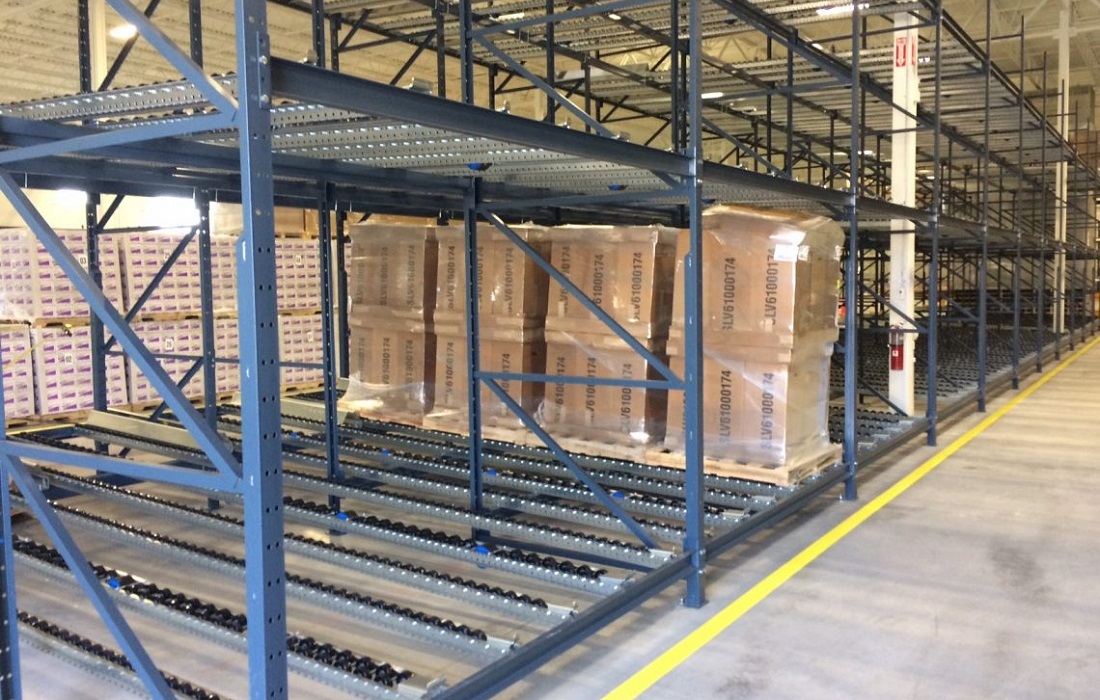
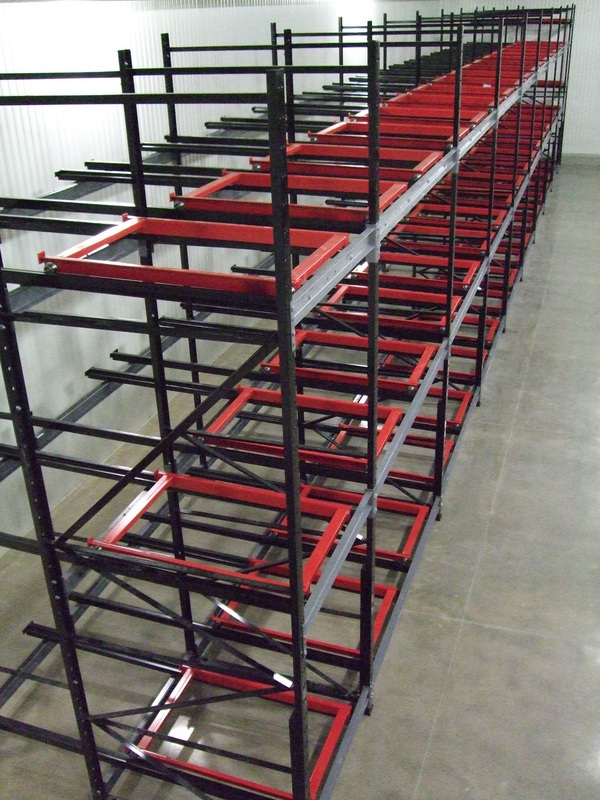
Pallets enter at the high end of the lane. Each new pallet stages behind the one before it, so put-away is a single move made from the load-side aisle.
Gravity conveyor
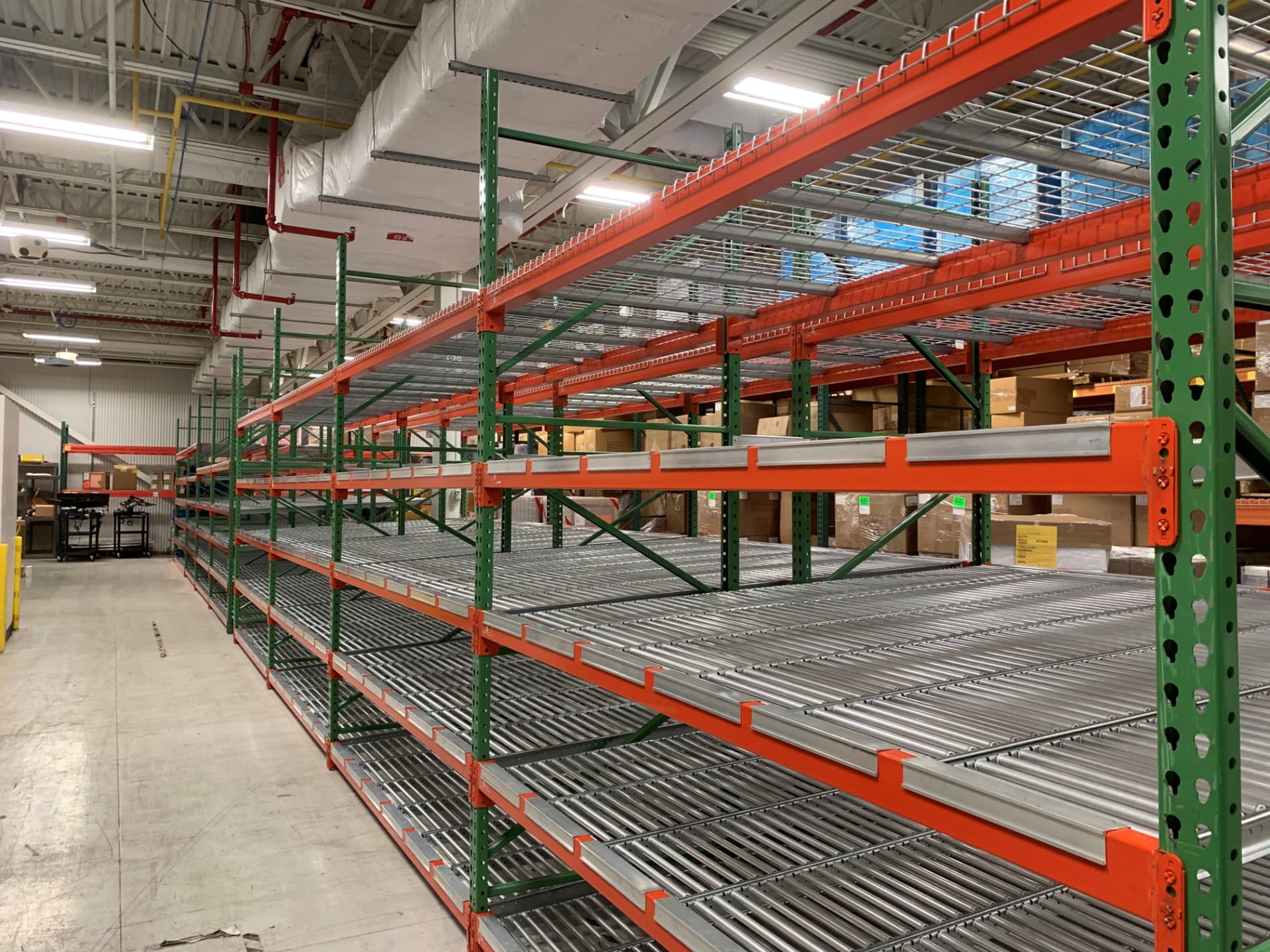
Full-width rollers or skate-wheel tracks, set on a pitch calculated for the pallet weight, carry loads forward under control rather than free rolling.
Braking and separation
Brake rollers and pallet separators regulate travel and stop pallets from bunching, protecting both the product and the structure underneath it.
Pick end
Pickers work a face of first-in pallets. Pull one and the next indexes forward automatically, so the pick aisle stays organized without anyone re-facing stock.
Where It Fits Best
What We Need to Design It
- Do you need strict pallet-level FIFO, or is lane-level rotation enough?
- How many pallets per SKU move through in a typical week?
- What's the pallet weight range, and what condition are pallets usually in?
- How deep can lanes run in your footprint?
- Is the storage area ambient, cooler, or freezer?
What a Project Includes
Flow racking is sized per lane, not pulled off a shelf. Pallet weight, deck condition, bottom-board orientation, and desired lane depth all drive the roller or wheel selection and the pitch calculation, so the first step is pinning down exactly what's moving through the lane.
From there we set lane count and depth against your throughput. Fewer, deeper lanes maximize storage; more, shallower lanes give the pick face more SKU variety. Both versions get modeled with position counts so the tradeoff is visible before you buy, not learned after.
The itemized quote covers frames, beams, rail and roller assemblies, brakes, entry and exit guides, and guarding. At installation the crew sets pitch, tests loaded travel in every lane, and tunes brakes before the system goes live.
Afterward you have documented capacities, a lane map your team can hand to new hires, and a contact for future layout changes or additional storage lanes.
Before delivery is committed, we review the receiving window, unloading responsibilities, and available staging area with your team. The approved layout and component list are used to agree the installation sequence; a phased approach is assessed against your shipping schedule rather than promised automatically. Any changes to pallet weights, handling equipment, or inventory mix are reviewed before loading the completed system. Keep the configuration and capacity information with the operating team so later beam moves or added levels are checked against the rated arrangement.
Phone consultation
CAD layout
Itemized quote
Delivery & installation
Get a Pallet Flow Rack Quote
Send the basics and we will come back with a layout and pricing. Prefer to talk? Call (913) 453-3942.
What's Included:
- Free warehouse needs analysis
- CAD layout drawings
- Itemized project quote
- Rack type recommendations
- Installation timeline
Pallet Flow Rack Questions We Hear Most
Pallet Flow Rack by Service Area
Delivery and installation across the Kansas City metro in Missouri and Kansas.
Other Rack Systems We Supply
Pallet Rack
Every pallet reachable, every time. The baseline we size everything else against.
Pushback Rack
Two to six pallets deep from one aisle, without giving up much reach.
Drive-In Rack
Fewer aisles. The forklift enters the structure, and the floor holds more pallets per square foot than single-deep rows.
Cantilever Rack
Arms with nothing in front of them, built for lumber, pipe, and anything a pallet can't hold.
Carton Flow Rack
Cases advance to the picker instead of the picker hunting for cases.
Warehouse Relocation
Teardown, labeling, transport coordination, and reinstallation planned around your next building and move date.
Where We Work
Located in Kansas City, we serve the entire KC metro area with industrial pallet racks and warehouse storage solutions.
Kansas City Pallet Rack
Address
4050 Pennsylvania Ave.
Ste 115 #397
Kansas City, MO 64111
Phone
(913) 453-3942Business Hours
Monday - Friday: 8:00 AM - 6:00 PM
Saturday: Closed
Sunday: Closed
Ready to Price Pallet Flow Rack?
Call (913) 453-3942 or request a quote and we will start a layout.