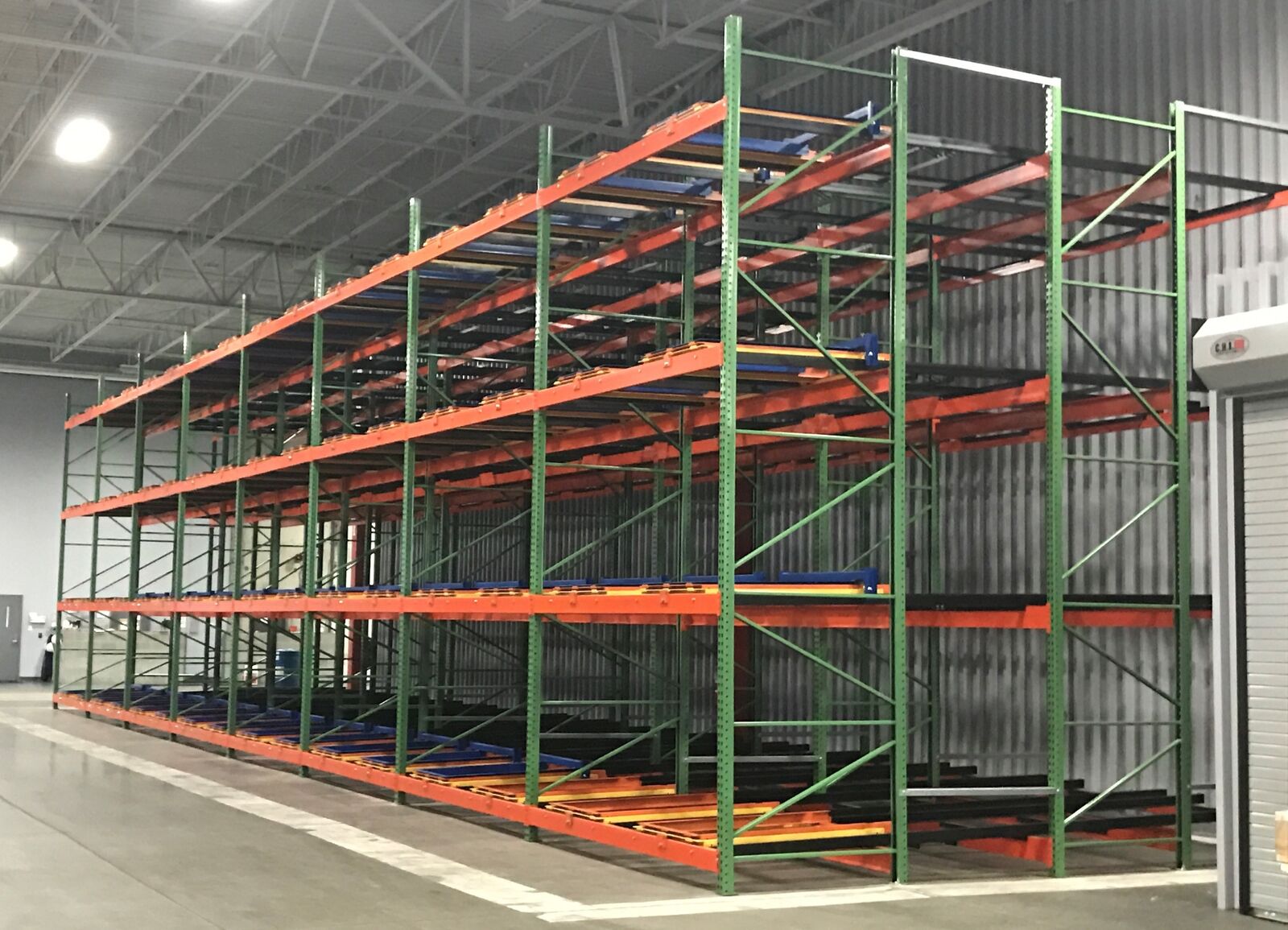
Pushback Rack in Leavenworth, KS
Pushback rack in Leavenworth makes sense when reserve stock arrives in matching pallet groups and leaves in an order compatible with LIFO handling. Rather than preserving an aisle beside every row, the layout places pallets behind one another on moving supports. That exchange increases density but removes immediate access to the pallets farther back.
A manufacturer along US-73 may want to consolidate incoming materials without narrowing the route to production. For a riverfront industrial building, receiving space and the approach to each storage face belong in the same plan. Neither setting benefits from extra positions that obstruct the next unloading or replenishment task.
Preparing a Leavenworth Pushback Rack Scope
Start with an inventory file and building drawing. Add pallet length, width, loaded height, weight range, and base construction, plus the forklift model and operating requirements. These inputs establish whether the selected carts can support your loads and whether the truck can approach the face correctly.
The layout comparison should show both storage density and access. Selective rack preserves a separate retrieval position for each pallet; deeper lanes remove some aisles while committing stock to a sequence. Keeping low-volume items selective can prevent reserve density from creating extra handling elsewhere.
Drive-in systems also consolidate aisles, but the forklift travels into the lane and must fit its operating envelope. A cart-based arrangement keeps that travel outside the rack. Compare both against your stock population and handling pattern rather than choosing solely by the number of positions on paper.
Our itemized proposal defines new structure, cart assemblies, rail equipment, and managed installation work. Scheduling follows the agreed material and work-area plan. Loading demonstrations with representative pallets help establish correct placement, controlled retrieval, and the operating limits attached to each storage lane.
A Practical Pushback Rack Selection Process
Our analysis asks how long a lane stays occupied and what happens when its stock level falls. Deep storage can look persuasive at the seasonal peak yet perform poorly during ordinary weeks. We compare daily working quantities with replenishment batches before recommending the depth.
Since 1997, we have been supplying and installing warehouse storage as a division of Warehouse Equipment & Supplies Co. We retain responsibility for scheduling and managing installation crews, keeping the approved layout and execution scope connected.
You receive a free needs analysis that distinguishes dense reserve from inventory requiring individual selection. For institutional supply or manufacturing stock, release restrictions can matter more than raw capacity. The recommendation explains those restrictions rather than assuming every pallet can follow the same retrieval sequence.
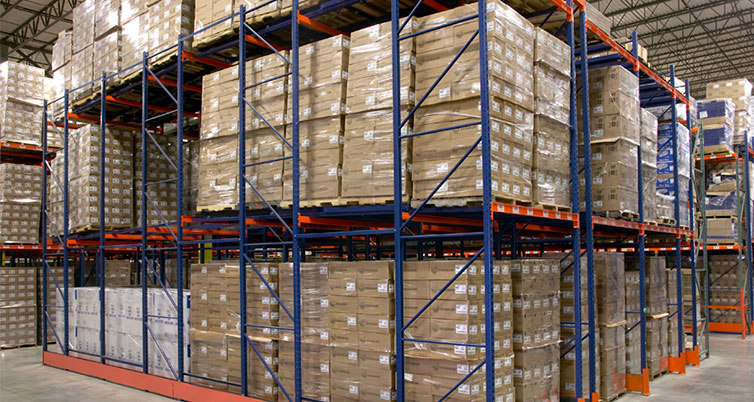
Operations We Rack Around Here
US-73 manufacturing replenishment and riverfront industrial receiving should remain connected by usable travel space around any pushback pallet rack reserve block.
Understanding Push Back Racking Mechanics
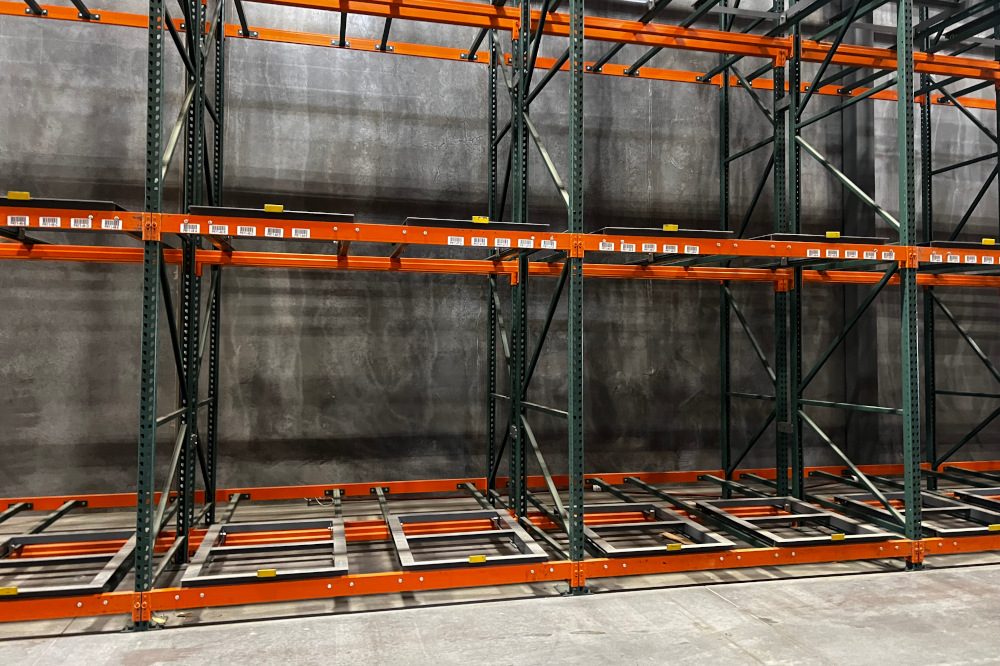
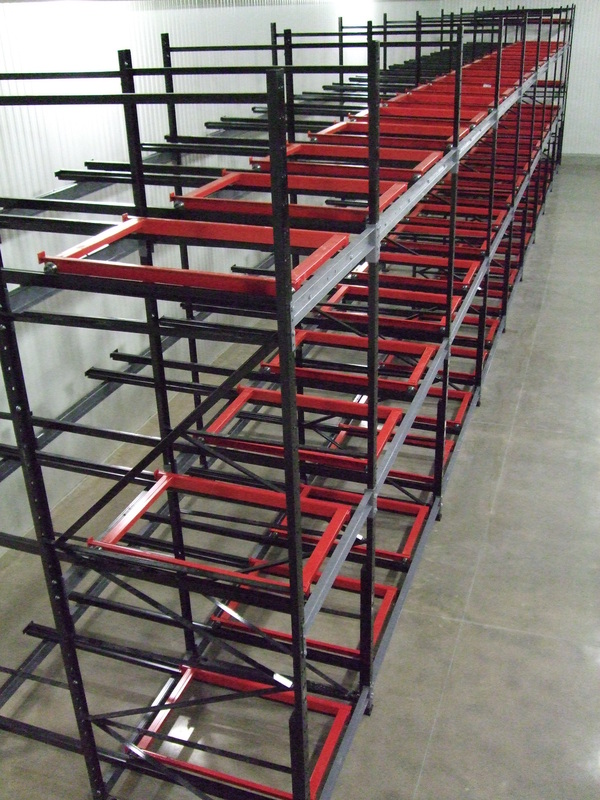
Nested carts travel on rails that incline toward the loading aisle. New loads push earlier pallets away from the operator; gravity returns the remaining pallets during unloading. The truck handles stock at the face instead of driving through the storage structure.
Match cart nesting to lane length
Available configurations commonly run two to six pallets deep. Cart arrangements vary with the chosen depth, and the final loading position may sit directly on the rails. Every pallet needs the specified bearing points so that its base remains supported throughout loading, storage, and travel.
Treat unloading as a controlled sequence
Because the newest load occupies the accessible position, retrieval follows last-in, first-out order. Removing it brings the other pallets toward the face. Operators control that advance with the prescribed fork movements; uneven bases or loads outside the approved weight range can change how the lane behaves.
Assign stock before counting positions
Depth should reflect pallets per SKU, not the largest block that fits the room. Review average holdings, minimum stock, and replenishment quantities together. Dedicated lanes prevent unrelated products from trapping one another, but partially occupied lanes cannot always absorb overflow from another item without compromising access.
Check ratings beyond the pallet weight
A pushback pallet rack transfers loaded cart forces through rails into beams and frames. Beam ratings are per pair per level, and frame ratings change with height and beam spacing. Adding to existing rack also requires documented connector and rail-attachment compatibility, not merely matching bay dimensions.
Recent Installations
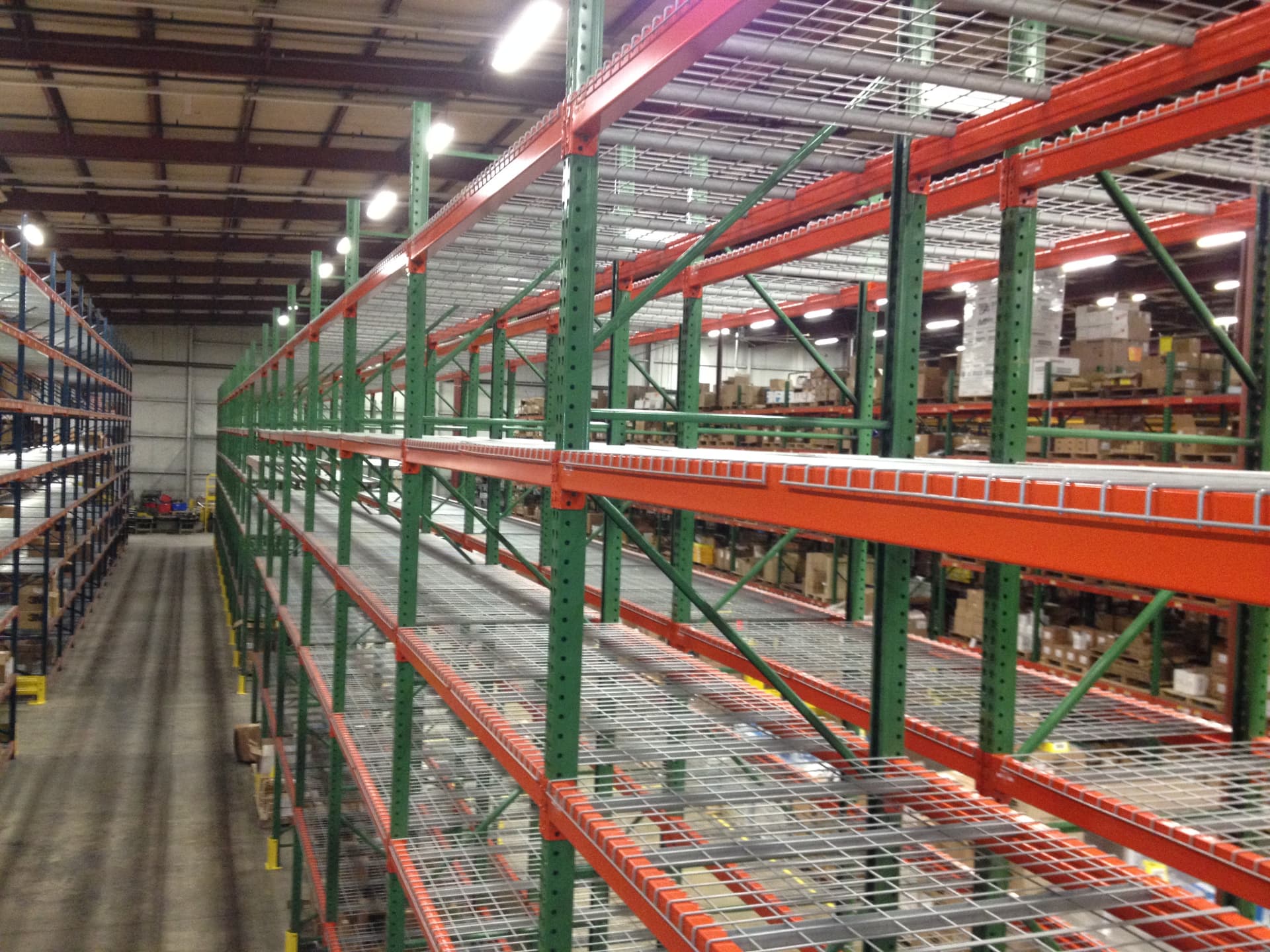
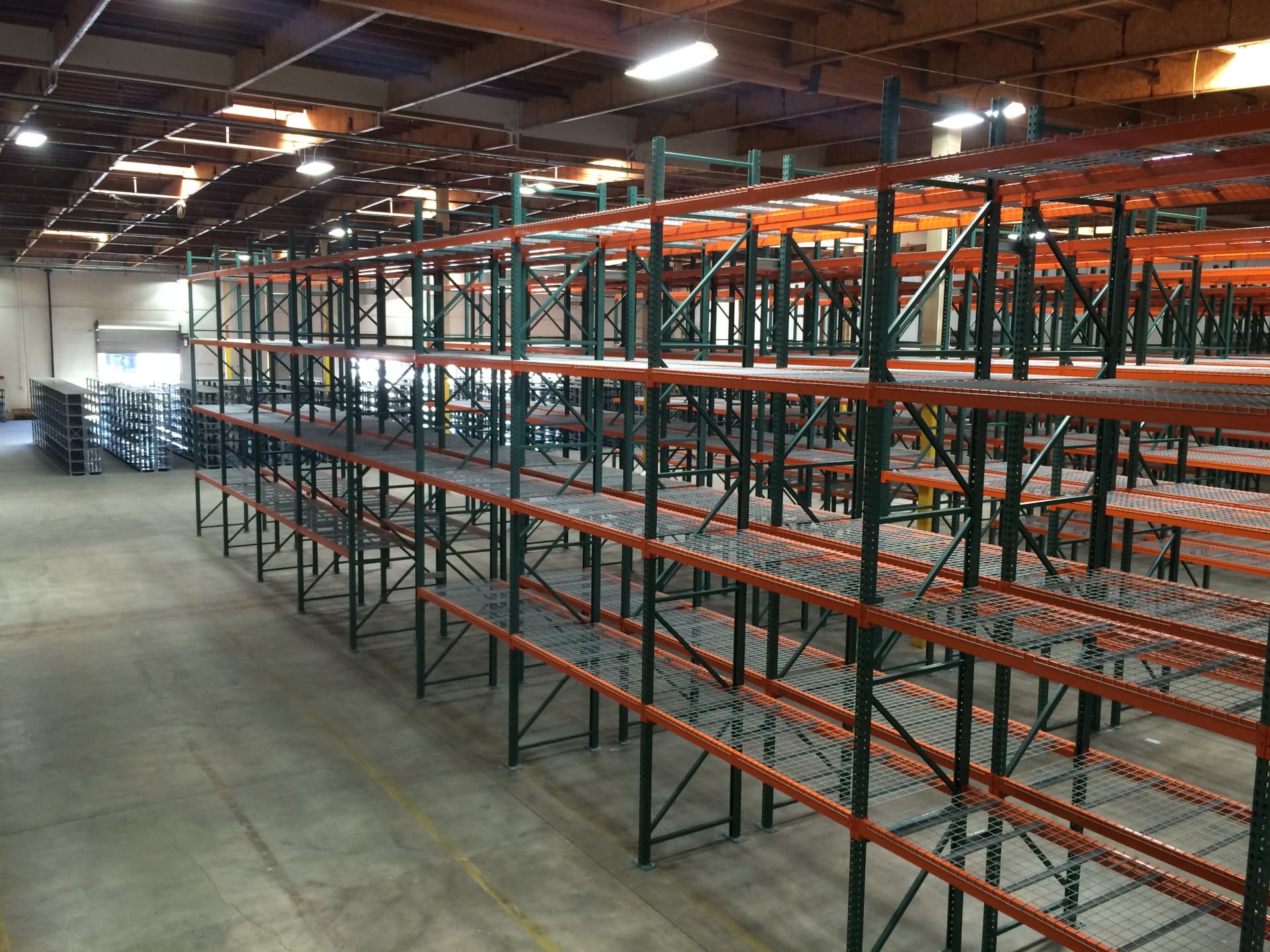
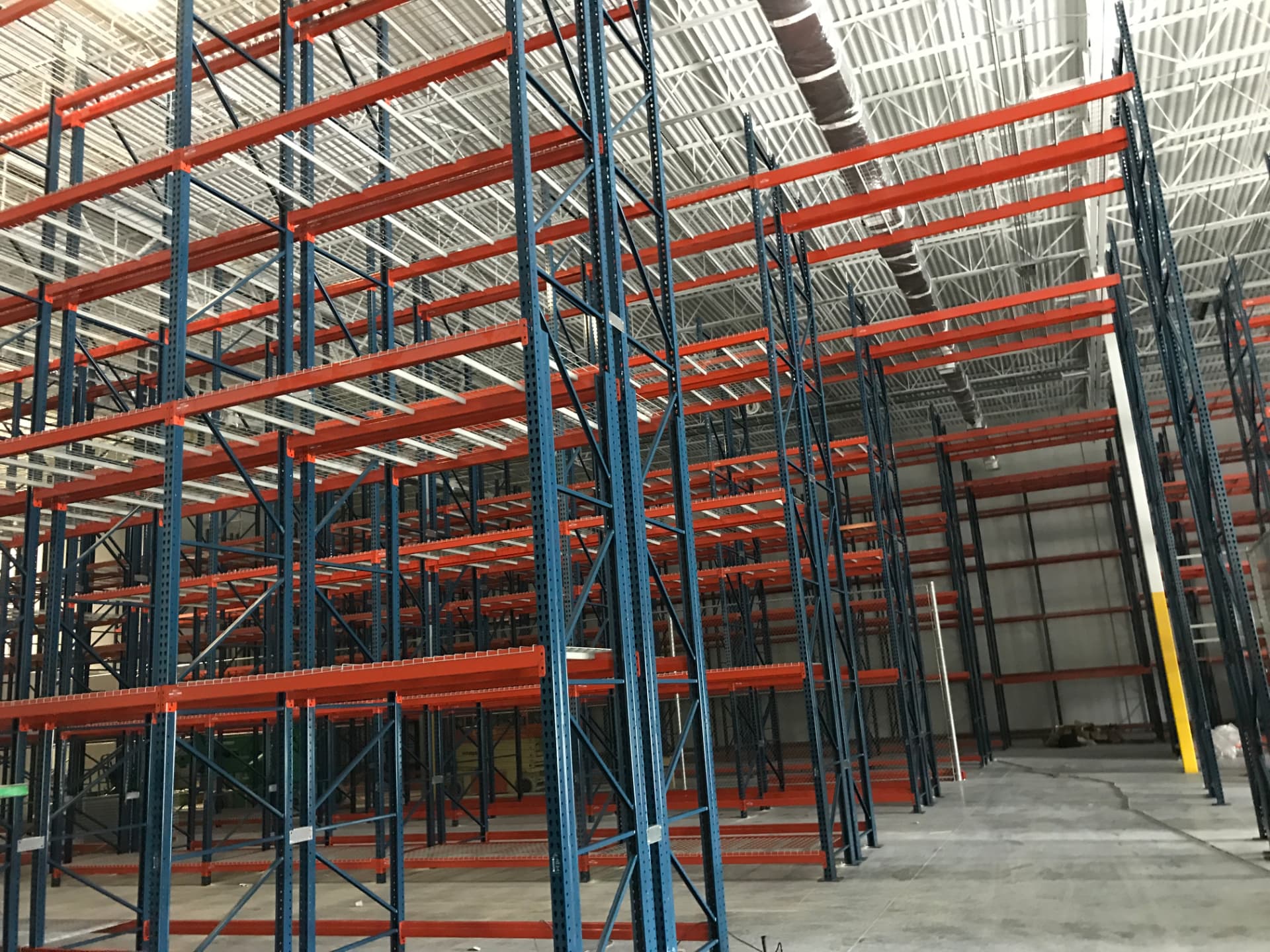
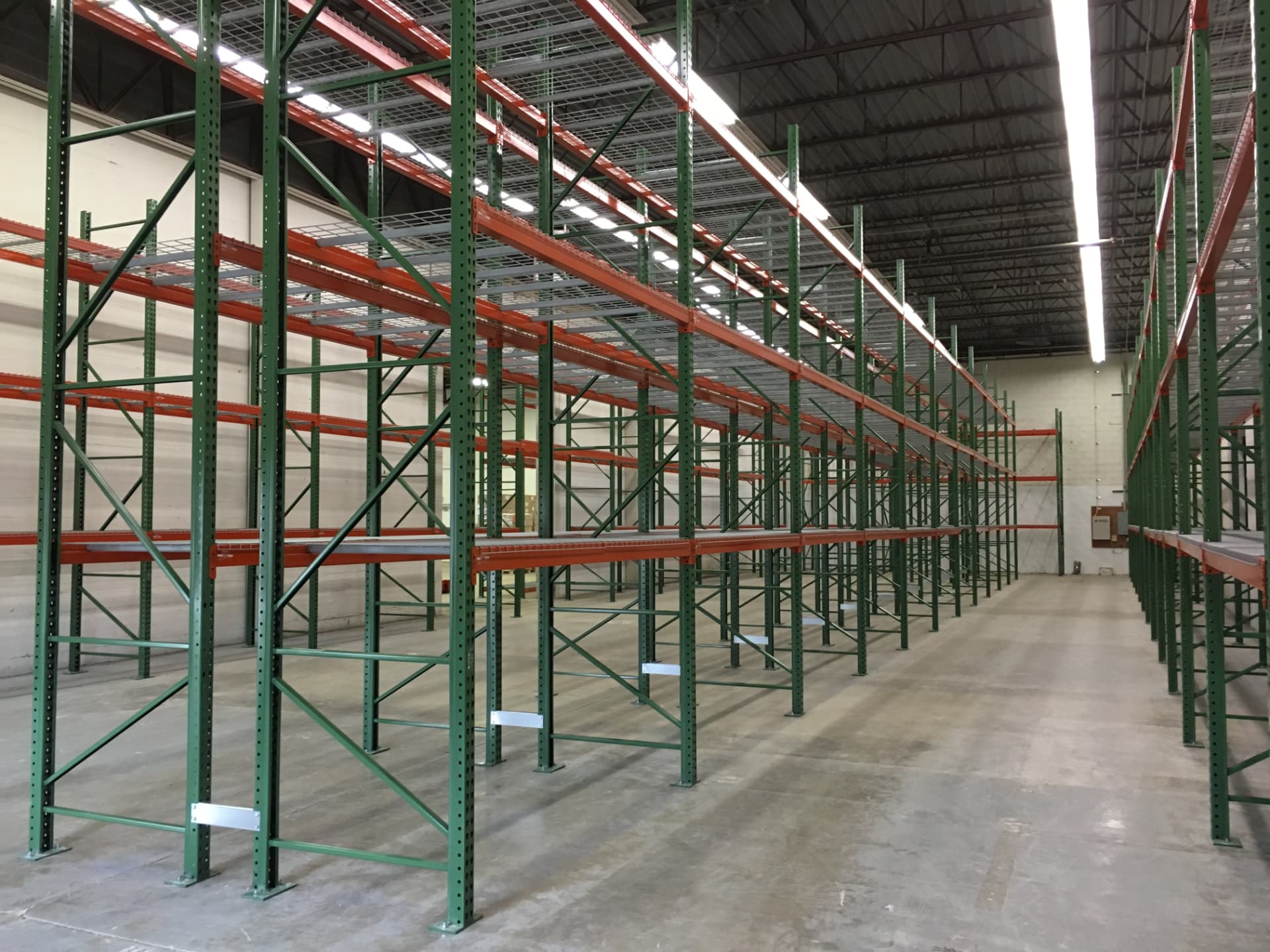
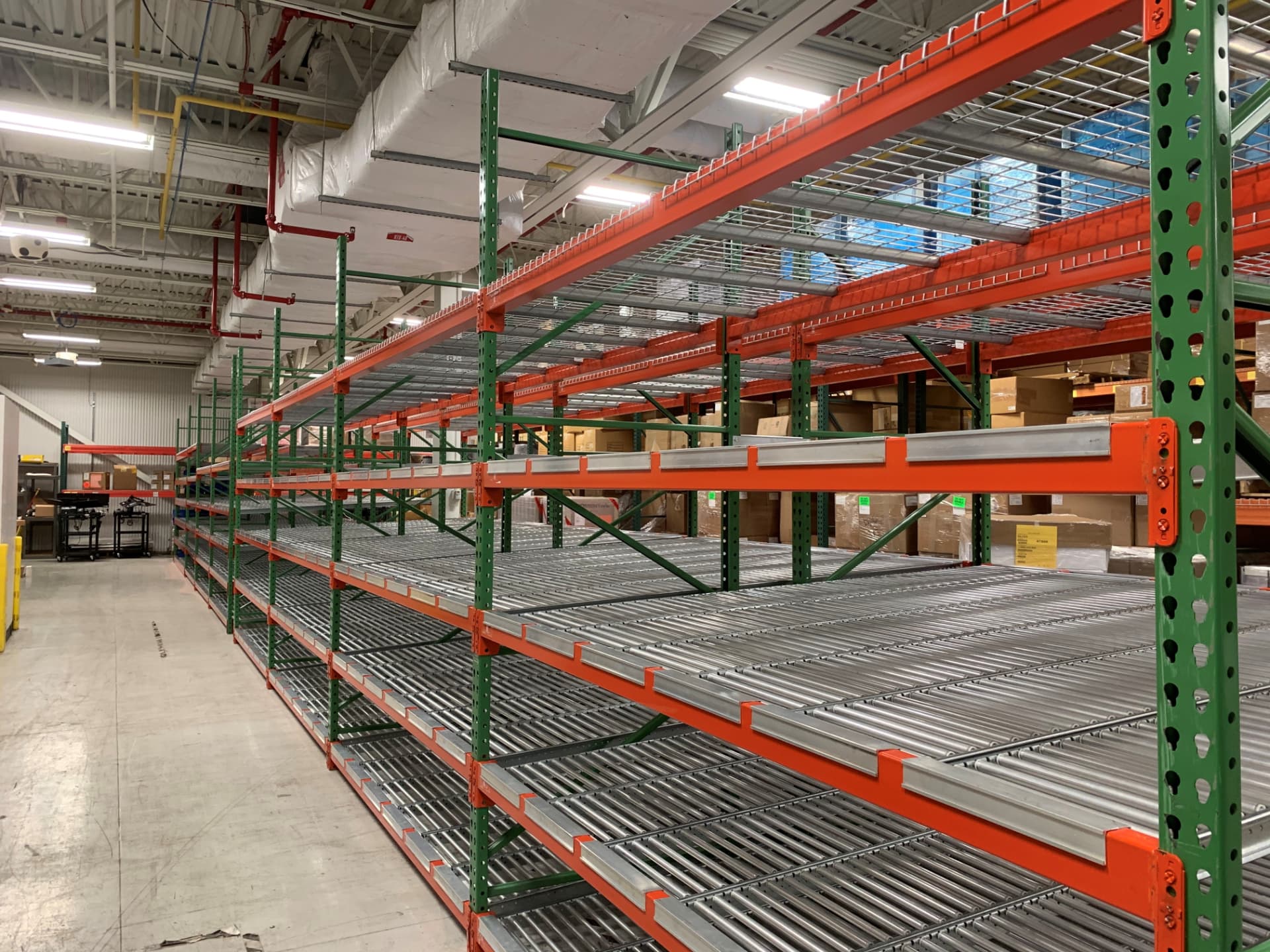
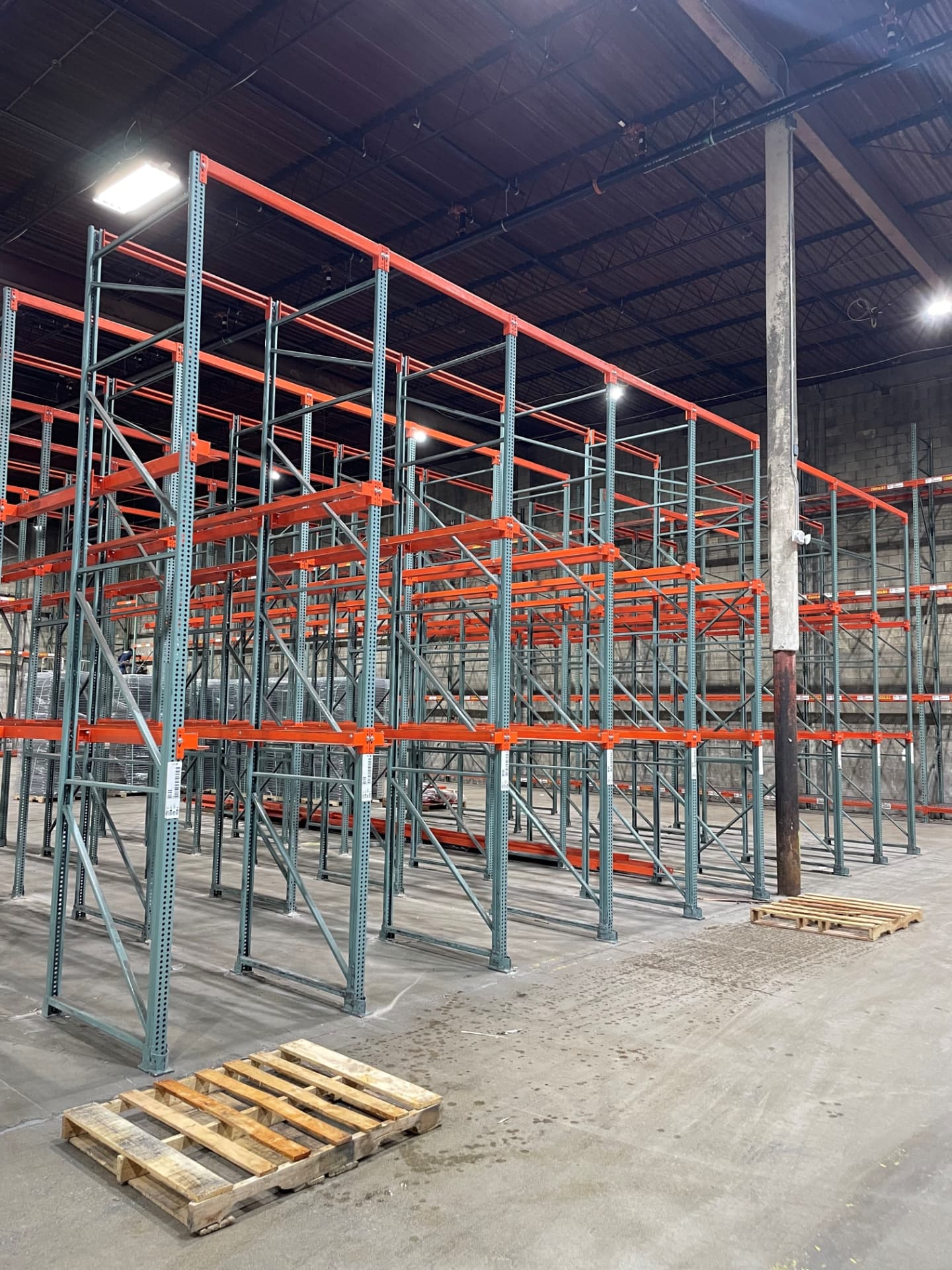
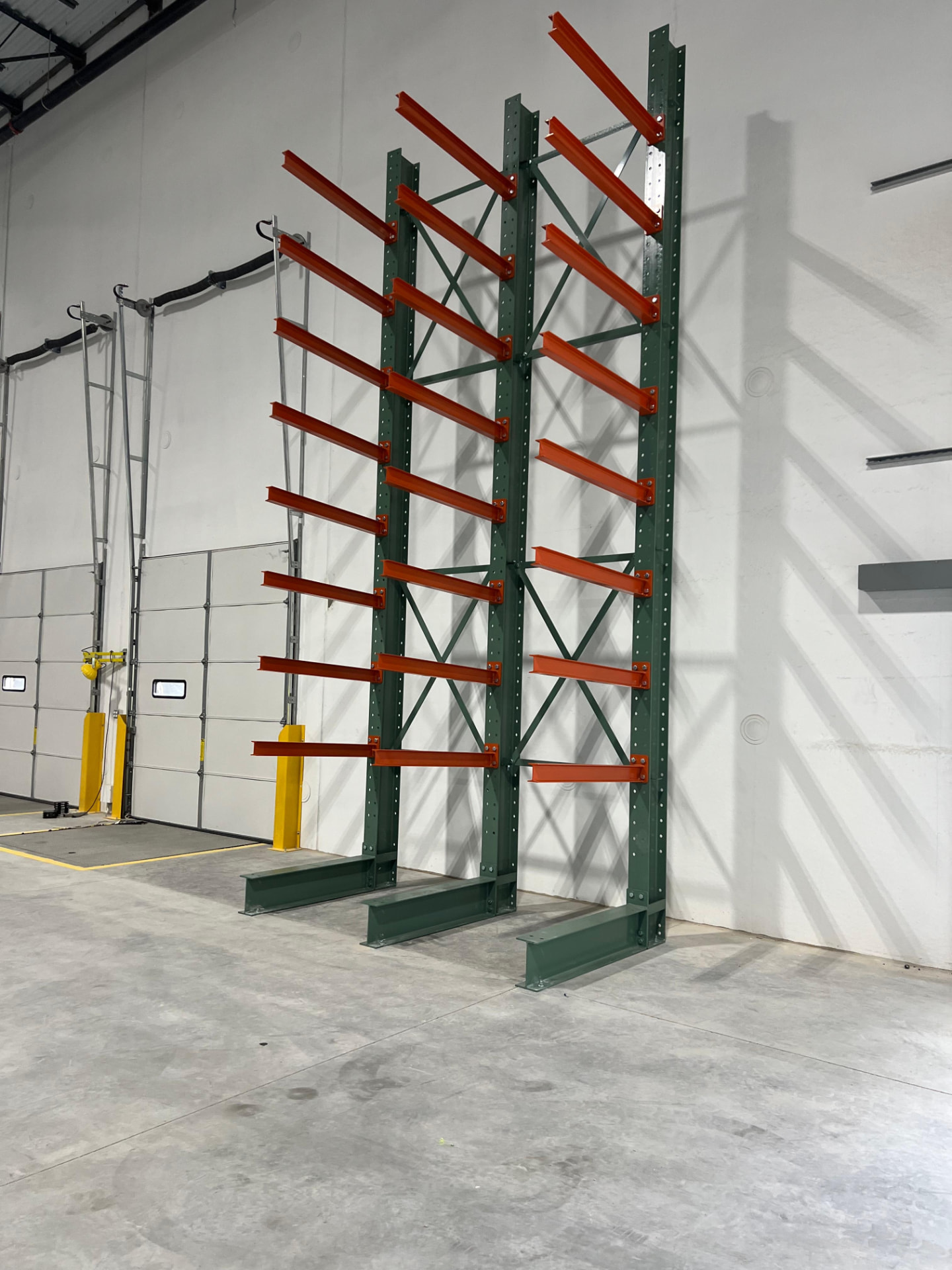
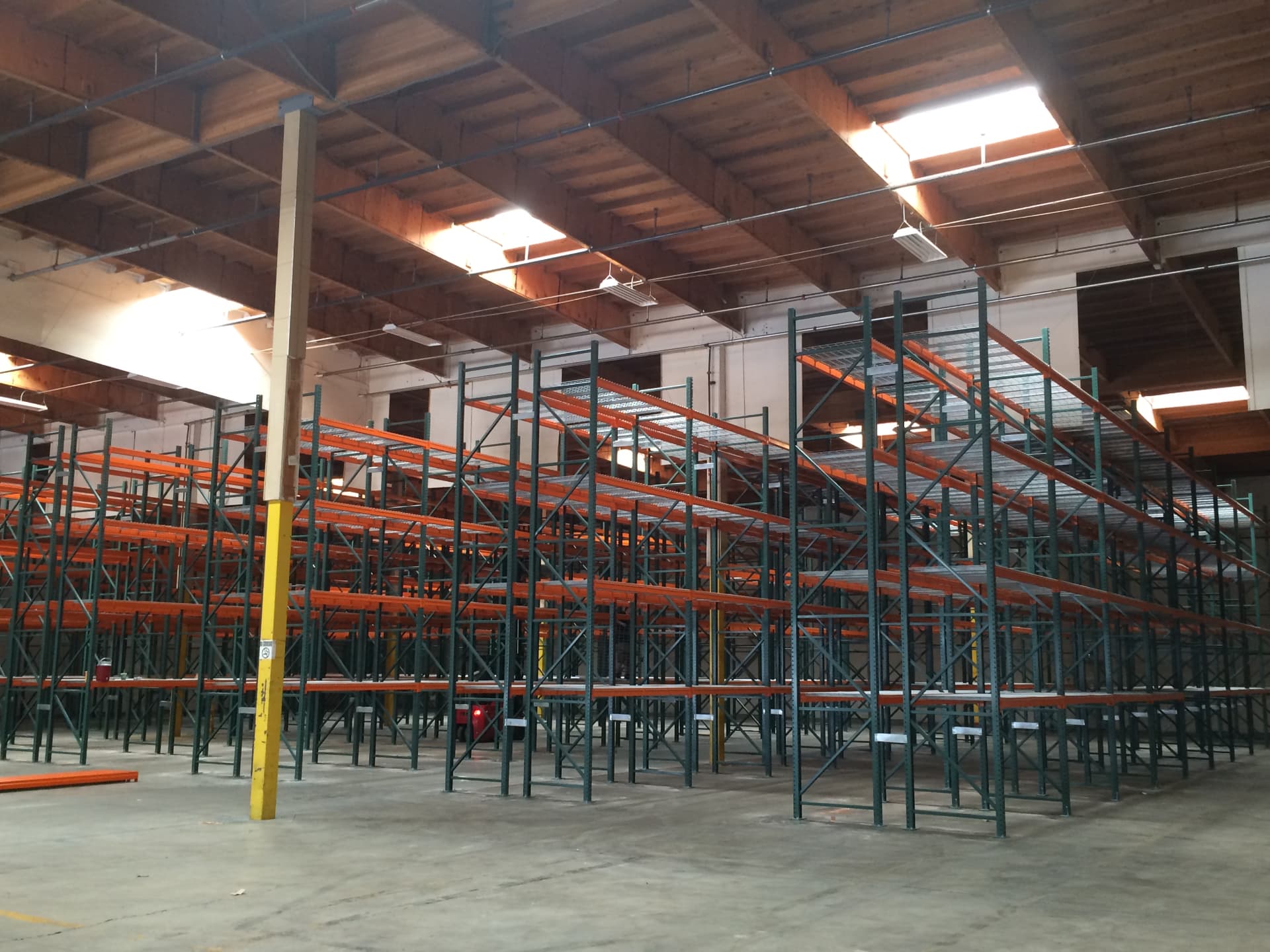
Racking projects completed for warehouses across the Kansas City metro in Missouri and Kansas.
Get a Pushback Rack Quote for Your Leavenworth Warehouse
A pushback rack quotation starts with a clear inventory assignment, not a blanket depth choice. Obtain a free CAD layout and itemized quote using your building and pallet information. Call (913) 453-3942.
Kansas City Pallet Rack
4050 Pennsylvania Ave.
Ste 115 #397
Kansas City, MO 64111
(913) 453-3942Monday - Friday: 8:00 AM - 6:00 PM
Leavenworth Storage Buyer Questions
Related Rack Systems and Local Pages
Other Rack Types We Supply in Leavenworth
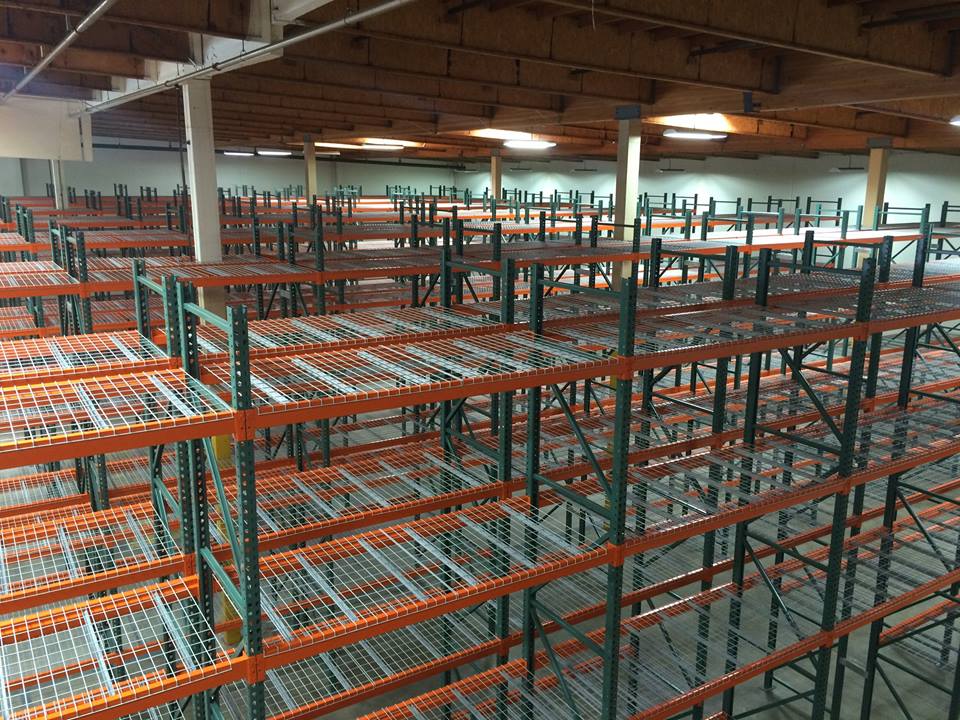
Pallet Rack
Every pallet reachable, every time. The baseline we size everything else against.
View details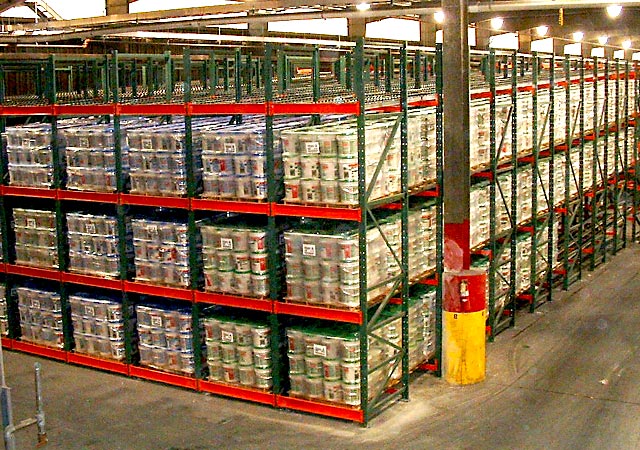
Pallet Flow Rack
Load one side, pick the other, and let gravity enforce first in, first out.
View details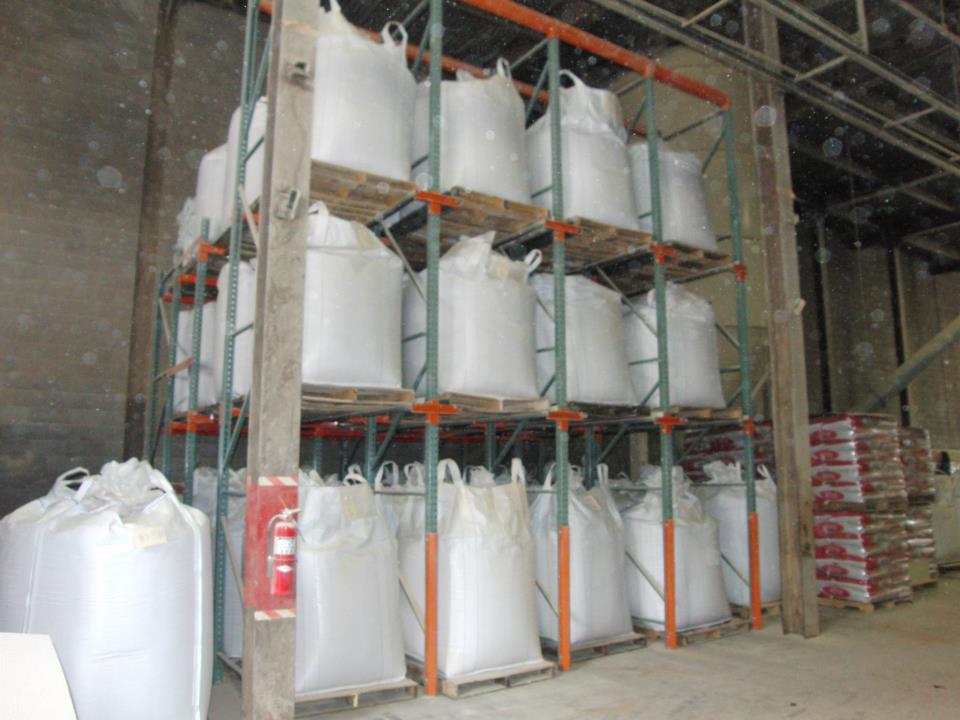
Drive-In Rack
Fewer aisles. The forklift enters the structure, and the floor holds more pallets per square foot than single-deep rows.
View details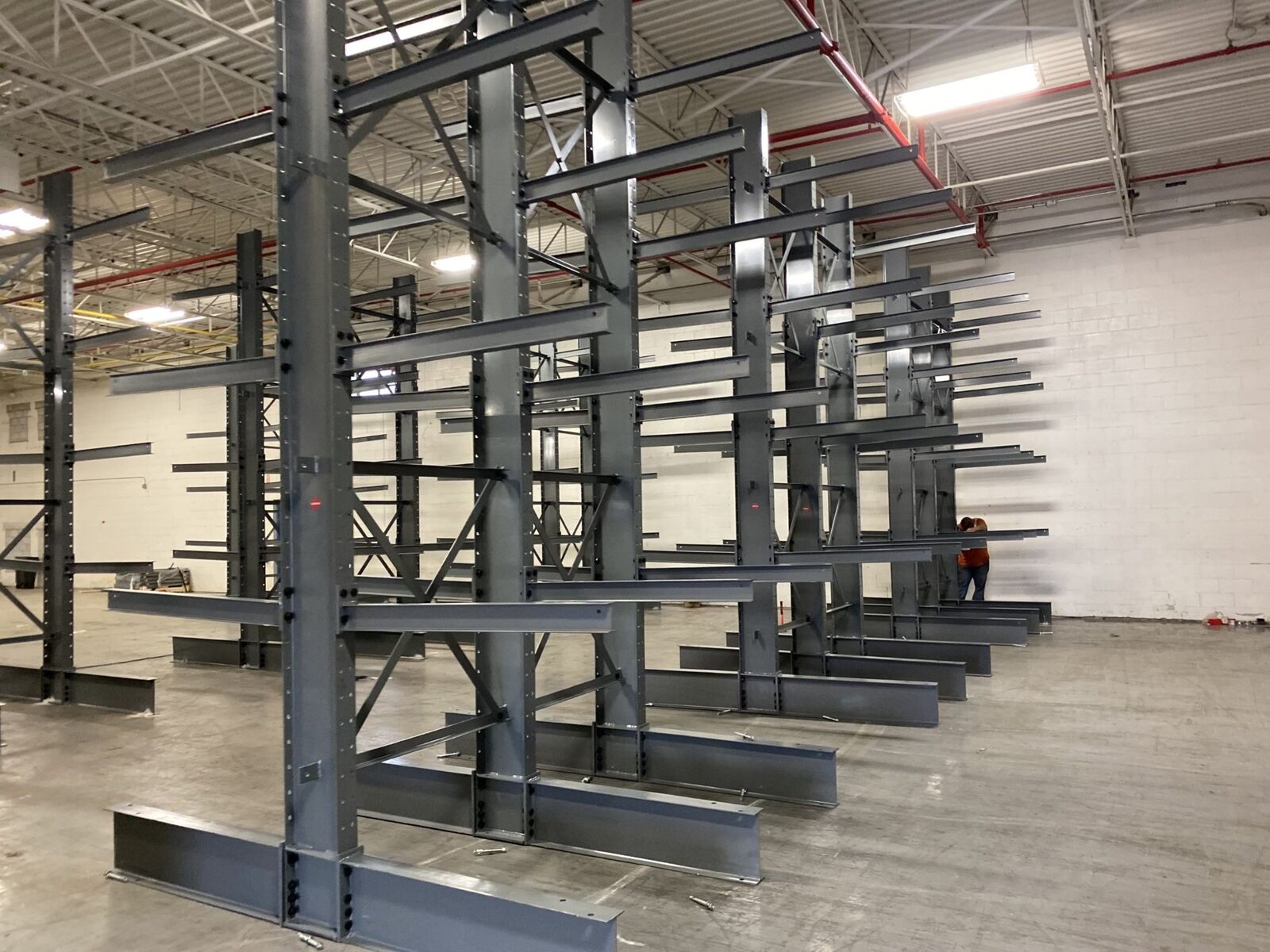
Cantilever Rack
Arms with nothing in front of them, built for lumber, pipe, and anything a pallet can't hold.
View details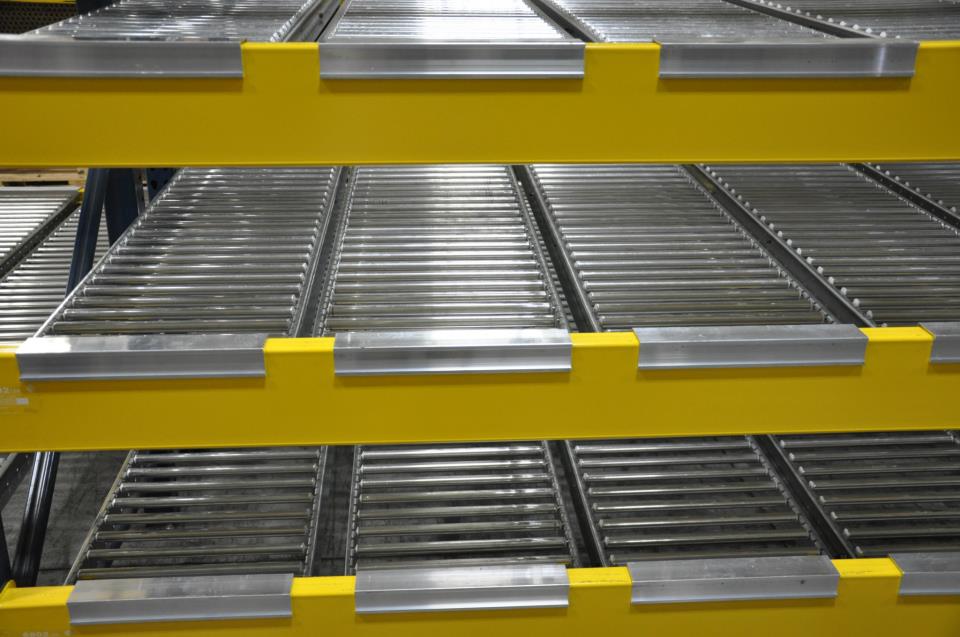
Carton Flow Rack
Cases advance to the picker instead of the picker hunting for cases.
View details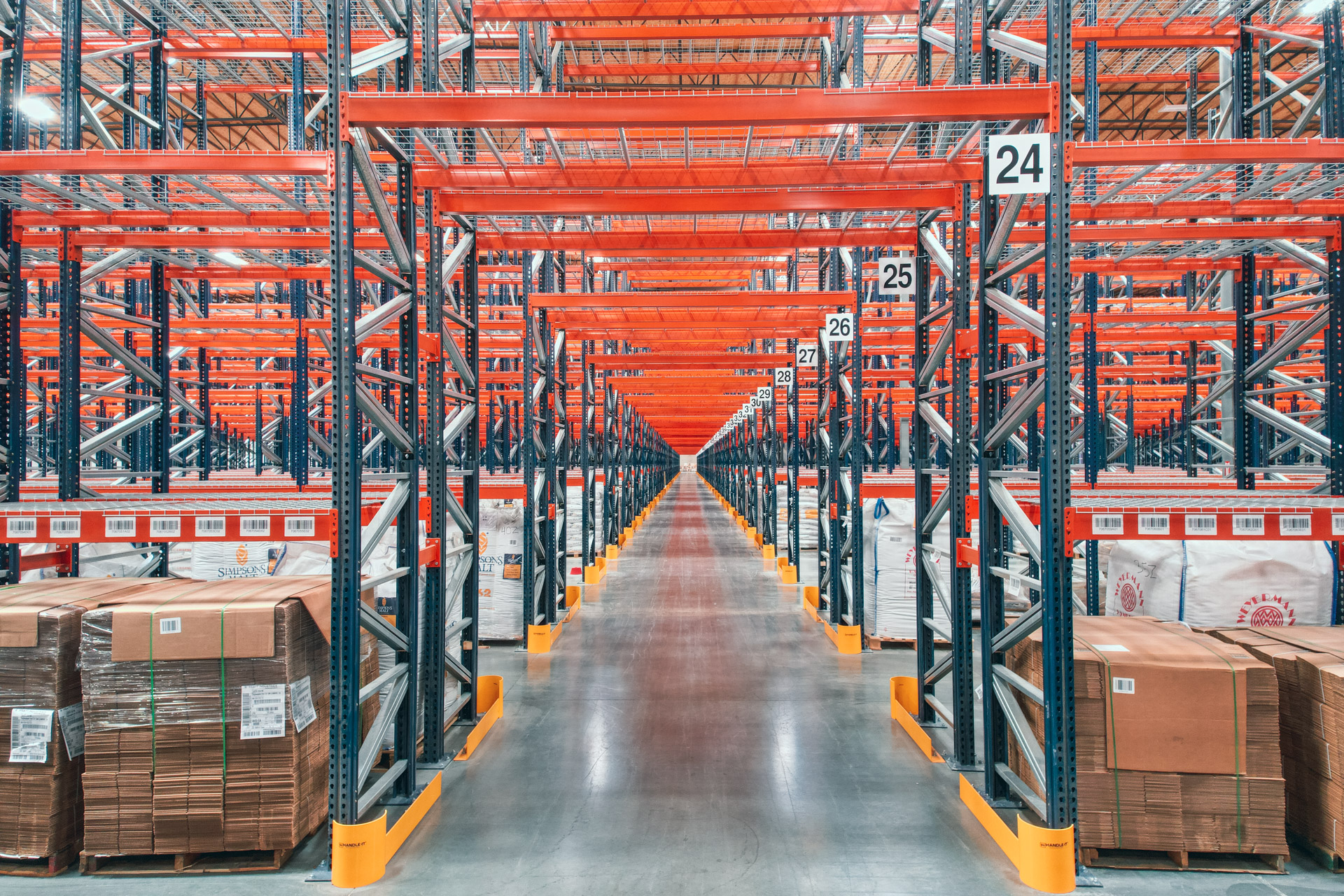
Warehouse Relocation
Teardown, labeling, transport coordination, and reinstallation planned around your next building and move date.
View detailsNearby Areas We Also Serve
Our delivery and installation territory covers the Kansas City metro in Missouri and Kansas, so one team can handle multiple buildings for the same company.
Where We Work
Located in Kansas City, we serve the entire KC metro area with industrial pallet racks and warehouse storage solutions.
Kansas City Pallet Rack
Address
4050 Pennsylvania Ave.
Ste 115 #397
Kansas City, MO 64111
Phone
(913) 453-3942Business Hours
Monday - Friday: 8:00 AM - 6:00 PM
Saturday: Closed
Sunday: Closed
Need Pushback Rack in Leavenworth?
Call (913) 453-3942 or request a quote and we will get a layout started.